
Mold Testing in Silverdale, PA

Find Out What's Growing Before It Spreads

Professional mold testing gives you accurate answers about what’s in your air and on your surfaces—so you can protect your home and make informed decisions.

Hear from Our Customers

Professional Mold Testing Services

Know Exactly What You're Dealing With

You can’t fix what you can’t see. That’s the problem with mold—it hides in walls, crawls through ductwork, and settles into places you’d never think to check.

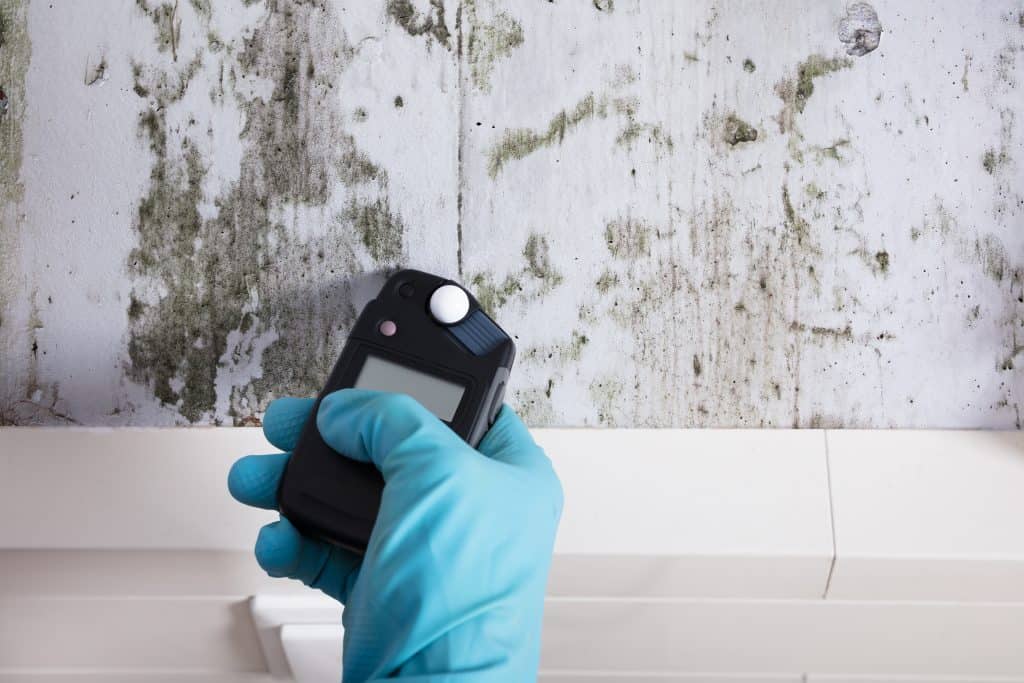
Professional mold testing tells you if there’s a problem, where it is, and how serious it’s gotten. Air sampling picks up spore concentrations you can’t see. Surface testing confirms what’s growing on walls, floors, or ceilings. And if you’re buying a home, selling one, or just noticed a musty smell that won’t go away, testing gives you documentation and clarity.

Silverdale’s humid summers create perfect conditions for mold growth. When temperatures spike and moisture sits in basements or attics, spores multiply fast. Testing catches it early—before it damages your property or affects your family’s health.

You get lab results, not guesses. You get a clear picture of what’s happening in your home. And you get the information you need to move forward with confidence.

Mold Testing Company Silverdale Trusts

We Test Homes the Right Way

We’ve been helping Silverdale homeowners identify and address mold problems with honest assessments and accurate testing methods. We’re not here to upsell you on services you don’t need.

We use advanced equipment to test air quality and surface contamination, and we send samples to certified labs for analysis. You get detailed reports that explain what we found and what it means for your home.

Silverdale’s climate—especially those July rainstorms and sticky summer heat—makes basements and attics vulnerable. We know the local conditions that lead to mold growth, and we know how to find it even when it’s hidden.

Our Mold Testing Process

Here's What Happens During Your Inspection

First, we walk through your property and look for visible signs of mold or moisture problems. We check basements, bathrooms, attics, and anywhere else that tends to trap humidity.

Next, we collect samples. Air sampling captures spores floating in your home’s air—the stuff you’re breathing but can’t see. Surface sampling tests visible growth or suspicious areas. If needed, we take bulk samples from materials like drywall or insulation to identify exactly what’s growing.

Then we send everything to a certified lab. You’re not getting a visual guess—you’re getting scientific analysis that identifies mold types and concentration levels.

Once results come back, we review them with you. We explain what was found, whether it’s a health concern, and what your options are. If remediation is needed, we map out a plan. If it’s minor, we tell you that too.

Ready to get started?

Explore More Services

About Mack's Mold Removal

Residential Mold Testing Silverdale, PA

What's Included in Your Mold Inspection

You get a full visual inspection of your property with moisture detection tools to pinpoint problem areas. We don’t just look at the obvious spots—we check behind appliances, inside HVAC systems, and anywhere water or humidity could be hiding.

Air sampling is included to measure spore levels throughout your home. This is especially important in Silverdale, where summer humidity regularly pushes into ranges where mold thrives. Even if you don’t see growth, elevated spore counts in your air can indicate a hidden problem.

Surface and bulk sampling options are available depending on what we find. If there’s visible growth or water damage, we test it to confirm the type of mold and determine the best removal approach.

You also receive a detailed report with lab results, photos, and our professional assessment. This documentation is useful if you’re dealing with insurance claims, real estate transactions, or just want peace of mind about your home’s air quality.

How much does mold testing cost in Silverdale, PA?

Most residential mold testing in Silverdale starts around $300 to $400 for homes under 4,000 square feet. That typically includes a full visual inspection, moisture detection, and two air samples sent to a certified lab for analysis.

If you need additional surface sampling or bulk material testing, costs can increase depending on how many samples are required. Larger homes or properties with multiple suspected problem areas may need more comprehensive testing, which adjusts the price accordingly.

The investment is worth it when you consider what you’re getting—accurate lab results that tell you whether there’s a mold problem, what type it is, and how concentrated the spores are. That’s information you can’t get from a DIY kit or visual inspection alone, and it’s critical for making informed decisions about remediation or property transactions.

Air sampling measures the concentration of mold spores floating in your home’s air. We use specialized equipment to capture air samples from different rooms, then send them to a lab that identifies spore types and counts how many are present per cubic meter.

This method is useful for detecting hidden mold that you can’t see—like growth inside walls, ductwork, or crawl spaces. It also gives you a baseline reading of your indoor air quality, which is especially important if anyone in your household is experiencing respiratory symptoms or allergies.

Surface sampling tests visible growth or suspicious spots on walls, ceilings, floors, or other materials. We swab or tape-lift samples from affected areas and send them for lab analysis to confirm whether it’s mold and identify the specific type. This is helpful when you see discoloration or growth but aren’t sure if it’s mold or just dirt, mildew, or staining. Both methods provide different but complementary information about what’s happening in your home.

DIY kits can tell you if mold spores are present, but they can’t tell you much beyond that. Most homes have some level of mold spores in the air—it’s unavoidable. What matters is the type of mold and the concentration, and DIY kits don’t provide that level of detail.

Professional testing uses calibrated equipment and certified lab analysis to identify specific mold species and measure spore counts accurately. That’s the difference between knowing “something is there” and knowing “you have elevated levels of Stachybotrys in your basement that need immediate attention.”

DIY kits also don’t include a trained inspector who knows where to look, how to spot moisture problems, or what conditions lead to mold growth. In Silverdale’s humid climate, an experienced inspector can identify risk factors—like poor attic ventilation or basement seepage—that a test kit will miss. If you’re serious about understanding what’s in your home, professional testing gives you actionable information, not just a yes-or-no answer.

Lab results typically come back within three to five business days after we collect samples. The timeline depends on the lab’s workload and the types of tests being performed, but most standard air and surface samples are processed quickly.

Once we receive the results, we’ll contact you to review the findings. We’ll explain what the lab identified, what the spore counts mean, and whether any action is needed. If remediation is recommended, we’ll walk through your options and answer any questions you have.

Some situations require faster turnaround—like real estate transactions with tight closing deadlines. In those cases, expedited lab processing may be available for an additional fee. We’ll work with your timeline to make sure you get the information you need when you need it.

Silverdale’s humid summers and wet weather create ideal conditions for several types of mold. Cladosporium and Penicillium are common in homes with moisture issues—they grow on damp surfaces like bathroom tiles, basement walls, and window sills.

Aspergillus is another frequent find, especially in homes with poor ventilation or water damage. It thrives in dusty areas and can spread quickly if humidity levels stay high. Stachybotrys, often called black mold, is less common but more concerning. It grows on water-damaged materials like drywall and insulation and produces toxins that can cause health problems.

The key factor is moisture. Silverdale’s wettest month is July, and when rain combines with summer heat, basements and attics stay damp long enough for mold to take hold. Professional testing identifies which types are present in your home so you know whether you’re dealing with a minor issue or something that requires immediate remediation.

Yes, if you’re noticing symptoms like musty odors, unexplained allergies, or respiratory issues. Mold doesn’t always grow in visible places—it hides behind walls, under flooring, and inside HVAC systems where you’d never see it without tearing things apart.

Air sampling can detect elevated spore levels even when there’s no visible growth. If your home has had water damage, leaks, or flooding in the past, testing is a smart move. Mold can start growing within 24 to 48 hours of water exposure, and it doesn’t always show up right away on surfaces.

Testing is also recommended if you’re buying or selling a home in Silverdale. Pennsylvania ranks high for mold risk due to climate conditions, and nearly half of residential buildings show signs of mold or mold odor. Getting a professional inspection gives you documentation and peace of mind—whether you’re protecting your investment or negotiating a sale.

Other Services we provide in Silverdale